
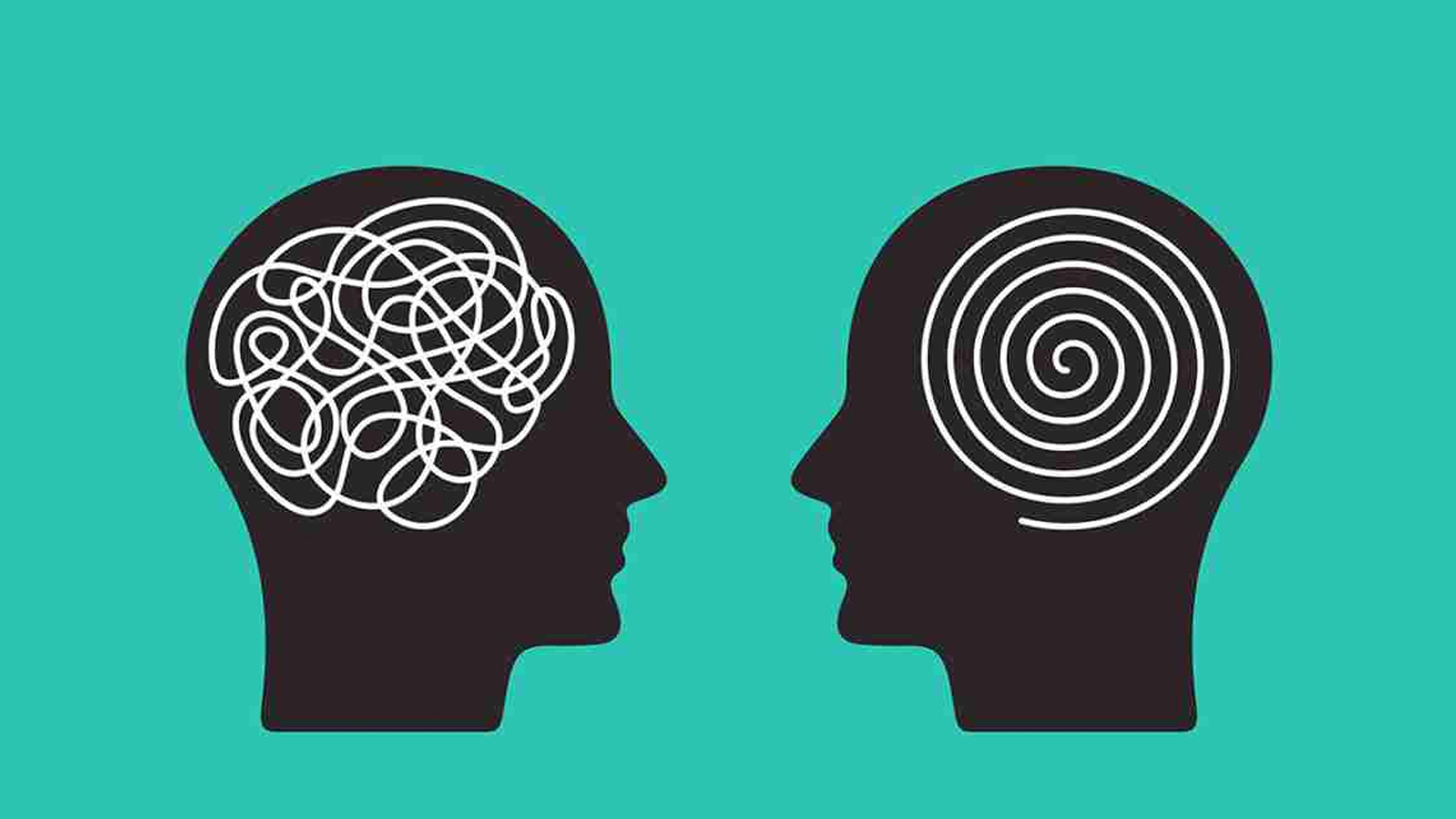
Chaotic Human Minds: Why Our Thoughts Feel Out of Control (and What That Means for Mental Health)
We’ve all been there: lying in bed at 2 a.m., our minds racing through every awkward conversation, worry, and “what if” from the past decade. Or sitting in a meeting, trying to focus while a dozen unrelated thoughts pull us in different directions. The human mind is brilliant—but it’s also messy, unpredictable, and often chaotic.
Why Are Human Minds So Chaotic?
Our brains evolved to survive, not to be calm or organized. They’re wired to constantly scan for danger, which creates anxiety and worry. Our brains also consolidate memories while simultaneously imagining future scenarios, so past events and future worries collide in our thoughts. During rest, something called the default mode network stays active, generating spontaneous, unfiltered thoughts. And when we’re stressed, emotions surge unpredictably as our brain processes them.
This isn’t a flaw—it’s normal biology. But when chaos becomes overwhelming, it can signal mental health struggles like anxiety, depression, ADHD, or burnout.
When Chaos Becomes a Problem
- Mental chaos is different from everyday stress. Watch for these signs:
- Inability to focus on tasks for more than a few minutes
- Rumination—replaying the same thoughts over and over
- Emotional flooding—feeling overwhelmed by emotions that seem to come out of nowhere
- Sleep disruption due to racing thoughts
- Avoidance of decisions or situations because your mind feels too overloaded
- If these patterns persist for weeks and interfere with daily life, it’s worth reaching out to a mental health professional.
Gentle Ways to Navigate the Chaos
- You don’t need to “fix” your mind completely. Small practices help:
- Name what’s happening: “My mind is racing right now.” Just labeling it reduces its power.
- Grounding techniques: Focus on 5 things you see, 4 you feel, 3 you hear, 2 you smell, 1 you taste.
- Write it down: Get thoughts out of your head and onto paper—this creates mental space.
- Single-task: Do one thing at a time, even if it’s just washing dishes consciously.
- Limit stimulus: Reduce multitasking, social media scrolling, and constant notifications.
- Practice self-compassion: Your mind isn’t broken. It’s human.
The Bigger Picture: Mental Health Awareness
Chaotic thoughts don’t mean you’re weak or “crazy.” They mean you’re human in a world that demands constant attention, productivity, and emotional regulation. Mental health awareness means:
- Normalizing struggle: Everyone’s mind gets chaotic sometimes
- Reducing shame: You don’t have to earn the right to feel better
- Seeking help early: Therapy, counseling, or support groups work
- Community care: Checking in on friends, sharing resources, breaking stigma
Final Thought
Your mind’s chaos isn’t your enemy. It’s a signal—sometimes of overwhelm, sometimes of creativity, sometimes of unmet needs. The goal isn’t perfect stillness. It’s learning to move through the chaos with kindness, knowing that mental health is a journey, not a destination.